PCOS - The 4 Types of PCOS & Natural Healing Approaches
Maddie Manley · June 13, 2022 · 8 min read

What is PCOS?
Polycystic ovarian syndrome is a common diagnosis that affects about 10% of women and is primarily a problem with ovulation. It is defined as a group of symptoms relating to anovulation, lack of ovulation, and a high level of male sex hormones, androgens*. A lack of ovulation causes the ovaries to overproduce male sex hormones such as testosterone.
*Androgens are male hormones such as testosterone, Dehydroepiandrosterone (DHEA), DHEA sulfate (DHEAs), androstenedione, and dihydrotestosterone (DHT). Women need a healthy amount of androgens to support muscle growth, mood, libido, bone health. However, too many androgens cause hirsutism, acne, and male-pattern hair loss/balding.
*If you'd prefer to listen to my podcast episode on this topic, listen here.
Symptoms:
The main symptom of PCOS is irregular periods, especially late periods or too many days of bleeding. Other common symptoms are excessive facial and body hair (*hirsutism), acne, hair loss, weight gain, and infertility. Long term PCOS is associated with diabetes and heart disease, which is why this is much more than a period problem. It is a whole-body hormone condition that must be addressed from the root cause, not slapping a Band-Aid “fix” of the pill.
*A note on hirsutism: A little hair on your upper lip is not a cause for concern. It is the excess growth of hair on your chin, cheeks, belly, and around your nipples that is a sign of hirsutism.
PCOS Diagnosis Criteria:
PCOS can’t be diagnosed or ruled out from an ultrasound alone. I know this may be confusing given the name “PCOS” due to seeing *polycystic ovaries on an ultrasound. However, the polycystic appearance of ovaries is not a criterion of PCOS. In fact, normal, healthy ovaries are full of cysts, also called follicles which contain ovum (eggs). Every month these normal cysts grow, burst, and are reabsorbed. If you ovulate regularly, then each cycle, your ovaries will have up to 12 developing follicles for adult women, and up to 25 for teenagers. Only one of these follicles becomes dominant and ruptures per cycle, suppressing the remaining follicles. If you do not ovulate, as is the main problem with PCOS, then no dominant follicle is made and the remaining follicles will not be suppressed, which allows for all follicles to continue to grow. This results in many small undeveloped follicles, officially called cysts. Not ovulating equates to a higher amount of follicles for that cycle. Every month our ovaries make new follicles and reabsorbs them again. This is why every cycle, our ovaires will look different and why seeing more than average cysts on your ovaries only tells us that you didn’t ovulate that cycle, not why you didn’t ovulate nor does it predict if you will ovulate in the future. This can occur sometimes in healthy women (25% of the time) and those on the pill. For younger girls in their teens, polycystic ovaries are normal since they have more ovarian follicles (as many as 25 on each ovary!) and their cycles can be as long as 45 days before they reach the 21-35 day range in their 20’s. Pain is not a main symptom of PCOS.
So, how do you diagnose PCOS? AEPCOS states that a women qualifies for a PCOS diagnosis when having all three of the following:
- Ovarian dysfunction or polycystic ovaries
- Clinical and/or biochemical hyperandrogenism
- 1 confirmed high androgen on a blood test OR
- 2 physical symptoms of androgen excess
- Exclusion of other conditions
In other words, this means irregular periods, high androgens (confirmed via symptoms or test), and everything else ruled out.
The AEPCOS states that the presence of polycystic ovaries in reproductive women does not confirm or rule out PCOS. In fact, PCOS may soon get a new name, such as MRS (metabolic reproductive syndrome) and anovulatory androgen excess (AAE).
The Rotterdam PCOS criteria is less comprehensive and states that women only need to meet two of the above criteria. It's debatable when irregular periods and polycystic excess, not androgen excess. Irregular periods can be due to a LOT of other reasons. If you are told you have PCOS and don't, this can lead to unnecessary worry and treatment plans that won’t do any good. PMID: 28814559.
Blood testing
Free testosterone is the best test for androgen excess. Other tests are total testosterone & SHBG, androstenedione, and DHEAs. I do not recommend testing saliva.
Physical symptoms of PCOS:
- Hirsutism (facial or body hair) that is long, dark, and grows on your chin, cheeks, belly, and around your nipples. This is the most accurate physical sign of PCOS.
- Hormonal acne on your chin for adults (not as accurate for teens)
- Hair loss - Androgenetic alopecia. This is female pattern hair loss due to androgen sensitivity and excess.
- Other causes: hormonal contraceptives with a high androgen index, high prolactin, high stress, hypothyroid, nutrient deficiencies, rare pituitary or adrenal diseases, congenital adrenal hyperplasia (CAH).
- CAH is a genetic disorder that causes the adrenal glands to make too many androgens.
- Nonclassic congenital adrenal hyperplasia (NCAH) accounts for up to 9% of androgen excess cases and is frequently misdiagnosed as PCOS. It can be diagnosed with a blood test for 17-OH progesterone.
Addressing PCOS:
- First you must understand the unique driver(s) of your PCOS, since it is a heterogeneous endocrine disorder, which is a group of symptoms which can develop from several different underlying drivers. For PCOS, these drivers are:
- Insulin
- Inflammation
- Adrenal androgens
- Post-pill surge in androgens
- Underlying susceptibility to PCOS:
- Genetics
- You can be born with genes that put you at risk for PCOS such as ones that influence how likely you are to develop insulin resistance, or genes that can cause your ovaries to over produce androgens under certain conditions, or alter how your hypothalamus communicates to your ovaries.
- Expression depends on your current environment (nutrition, sleep, stress, exercise, etc.)
- Exposure to environmental toxins
- Endocrine-disrupting chemicals such as phthalates, BPA, and pesticides. Especially early exposure, in-utero and/or childhood.
- Exposure can alter how our hypothalamus communicates with the ovaries and/or insulin sensitivity.
- Susceptibility does not mean you will always have PCOS
Figure out your type of PCOS - knowing this is incredibly important for the natural treatment plan.
Questions to identify your PCOS:
- Do you have irregular periods and androgen excess? NO? NOT PCOS. If yes…
- Were your periods regular before the pill? If yes, post-pill PCOS. if no…
- Do you have signs of chronic inflammation? If yes, inflammatory PCOS. if no…
- Is DHEAs your only high androgen? If yes, adrenal PCOS. If no…
- Do you really have PCOS? If yes, hidden-cause PCOS.
Graphic / map made by the queen, Lara Briden.
Insulin Resistant PCOS
Insulin resistance is the most common driver for PCOS. When you have insulin resistance, you may have normal blood sugar but high insulin levels, which can lead to various health concerns, one of which is high androgens (adrenal PCOS) if you are genetically susceptible to PCOS. It impairs ovulation and tells the ovaries to make more testosterone than estrogen. It also tells the pituitary gland to overproduce luteinizing hormone (LH) which stimulates more androgen production. Finally, too much insulin lowers levels of sex hormone binding globulin which allows for more unbound, free testosterone. Insulin resistance must be addressed or it can and will continue into menopause. A physical sign is weight gain around your waist. If this is not applicable, you may run blood tests. Read more on testing for and addressing insulin resistance naturally here.
Post-pill PCOS
Upon stopping a drospirenone (progestin) or cyproterone (anti-androgen) contraceptive, like Yasmin, Diane, Brenda, or Yaz, it is common to experience a temporary surge in androgens. You have post-pill PCOS if you have excess androgens that started when stopping the pill (with other conditions ruled out) AND you do not have insulin resistance.
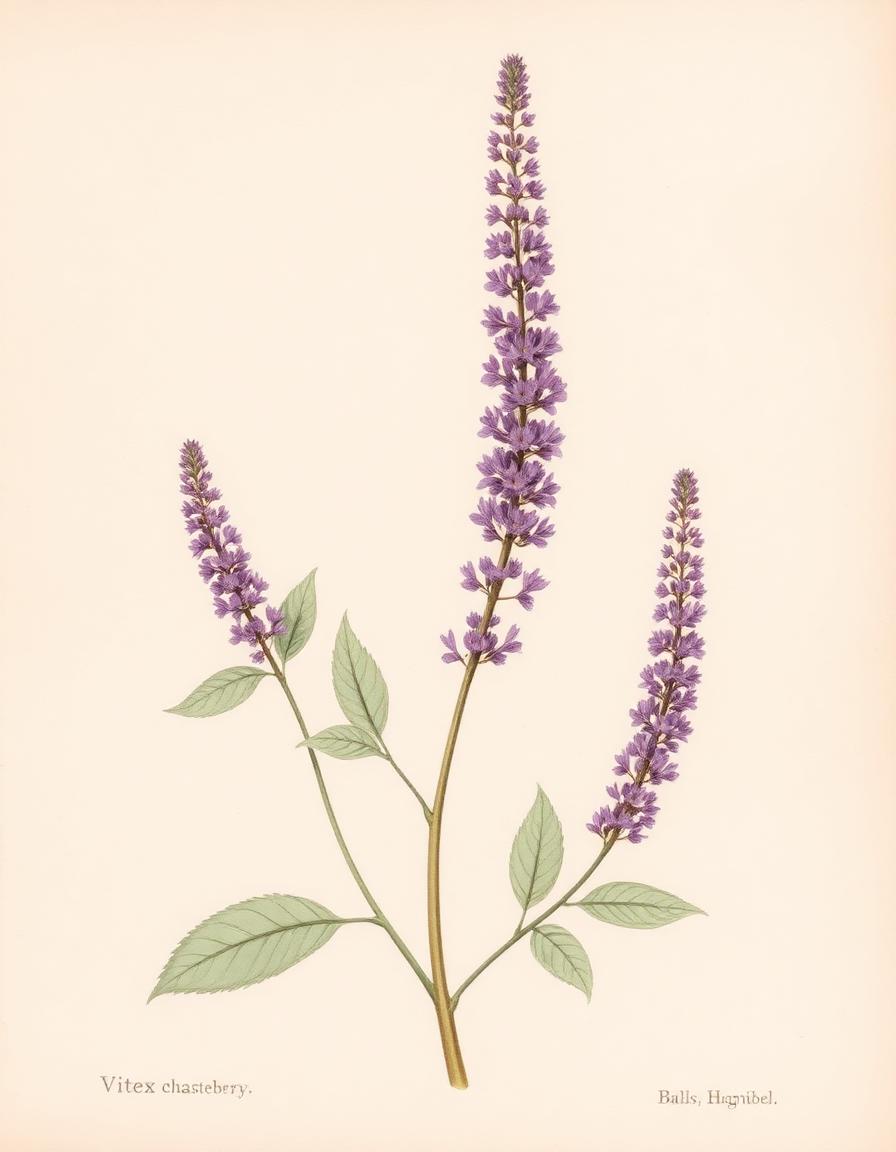
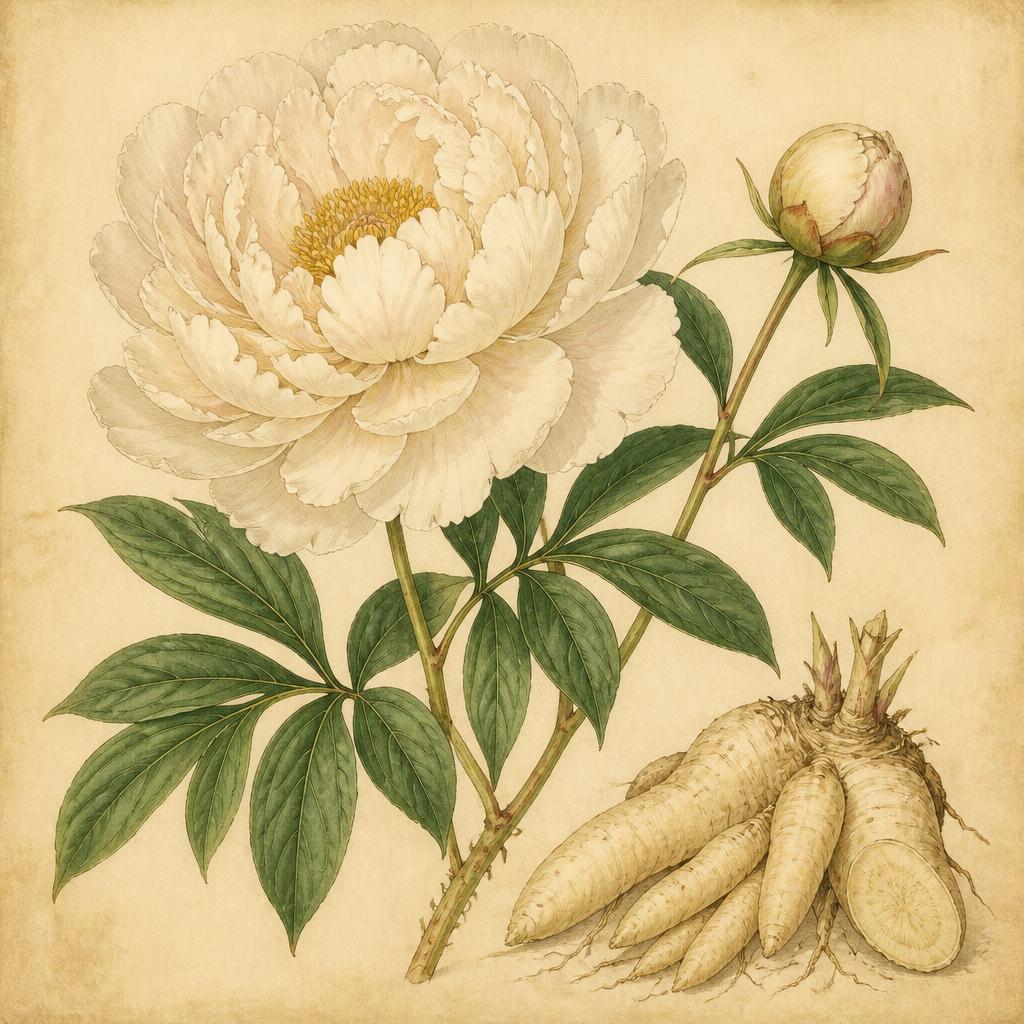
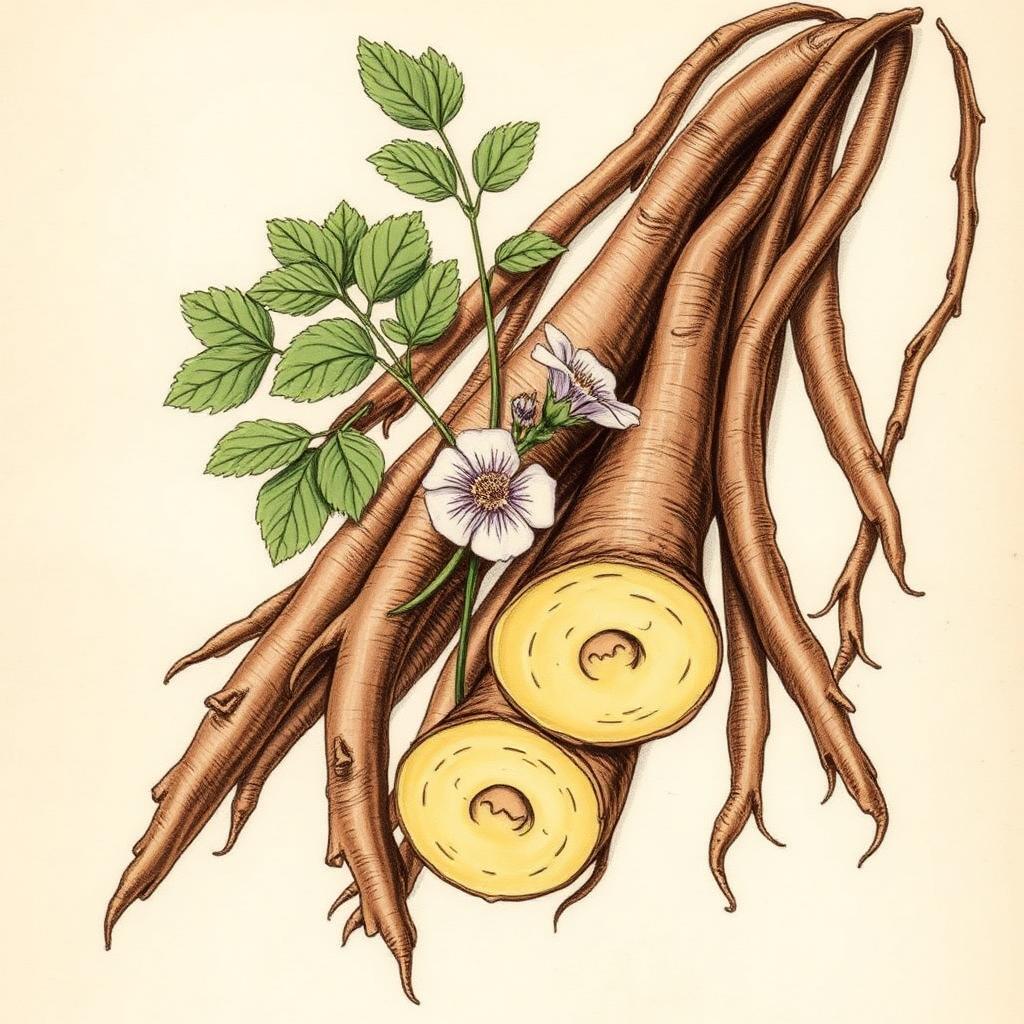
No need to stress out, as these symptoms are a normal and temporary side effect of a drug withdrawal process. Consider using a natural anti-androgen supplement like zinc, DIM, melatonin, reishi mushroom, and the herbs vitex, or peony & licorice, all of which are found in Soothe, my herbal remedy for hormone health. Tips for avoiding post-pill acne can be found here.
Inflammatory PCOS
Inflammatory PCOS occurs when inflammation is the primary driver of your PCOS symptoms, not insulin resistance or post-pill androgen surge. Chronic inflammation is a contributing factor in every case of PCOS, but when it is the primary driver, it is considered inflammatory PCOS. Chronic inflammation triggers the ovaries to produce too much testosterone.
Signs of inflammation:
- unexplained fatigue
- bowel problems like IBS or SIBO
- autoimmune disease like Hashimoto’s thyroid disease
- headaches
- joint pain
- a chronic skin condition like psoriasis, eczema, or hives.
What to do: Find the root cause of the inflammation and address it. This may be a food sensitivity, parasites, chronic mast cell activation, histamine intolerance, etc. Supplementing with zinc and NAC have been found to be incredibly beneficial for inflammatory PCOS.
Adrenal PCOS
DHEAs is an androgen produced by the adrenal glands, whereas testosterone and androstenedione are produced primarily by the ovaries. If only DHEAs is elevated, this is a link to adrenal PCOS, which accounts for about 10% of all PCOS cases.
Adrenal PCOS is not driven by insulin resistance or inflammation. Instead, it’s an epigenetic upregulation of adrenal androgens. Treatments include magnesium, zinc, licorice, adaptogen herbs, and vitamin B5, which modulates adrenocorticotropic hormone (ACTH).
Conventional treatments:
- The pill lowers androgens, but shuts down ovulation. This is not the best option considering that the main issue with PCOS is the failure to ovulate. This doesn’t fix the root cause and can even worsen insulin resistance, which is one of the primary drivers of PCOS.
- Spironolactone suppresses androgens which can improve acne and hirsutism. However, it can alter the HPA axis activity and even shut down ovulation. Also, we have seen that stopping this medication can result in worse acne.
- Cyproterone acetate is another anti-androgen drug. This has never been approved as a contraceptive within the US and carries a high risk of blood clot due to the progestin (synthetic progesterone) used.
- Metformin is a diabetes drug which works to correct insulin resistance, a primary driver of PCOS. This can deplete your body of vitamin b12 and cause digestive distress.
Copp T, Jansen J, Doust J, Mol BW, Dokras A, McCaffery K. Are expanding disease definitions unnecessarily labelling women with polycystic ovary syndrome? BMJ. 2017 Aug 16;358:j3694. doi: 10.1136/bmj.j3694. Erratum in: BMJ. 2017 Nov 20;359:j5380. PMID: 28814559.
From the apothecary garden